Let’s talk about something that might not get your heart racing but is essential for your business’s heartbeat—insurance. Imagine your small business as a ship navigating the unpredictable seas of entrepreneurship. You wouldn’t set sail without a life vest, right? That’s exactly what the right insurance coverage is for your business: a life vest.
In the dynamic world of small business, understanding insurance isn’t just a luxury; it’s a necessity. From shielding you against unforeseen risks to bolstering your credibility, the right insurance policy can mean the difference between sinking and staying afloat. Let’s dive into the essentials of small business insurance and why it’s your best ally in commercial waters.
Understanding Small Business Insurance
Did you know that 40% of small businesses will experience a claim within the first 10 years? That’s why understanding small business insurance is crucial. It’s your safety net when things go sideways.
Insurance isn’t just a line item on your expense report. It’s your defense against unexpected and costly events that can derail your business. Whether it’s a natural disaster or a customer lawsuit, insurance has got your back.
The Importance of Insurance for Small Businesses
Small businesses face a myriad of risks every single day. From property damage to liability claims, these risks can be crippling. Without insurance, you’re one bad event away from shutting your doors for good.
Small business insurance covers everything from your building and inventory to potential lawsuits. Think of it as your business’s suit of armor. It allows you to operate with confidence, knowing that you’re protected against the unexpected.
Overview of Different Types of Small Business Insurance
Let’s break it down. Small business insurance isn’t a one-size-fits-all solution. There are several types to consider:
- General Liability Insurance: Covers legal hassles due to accidents, injuries, and claims of negligence.
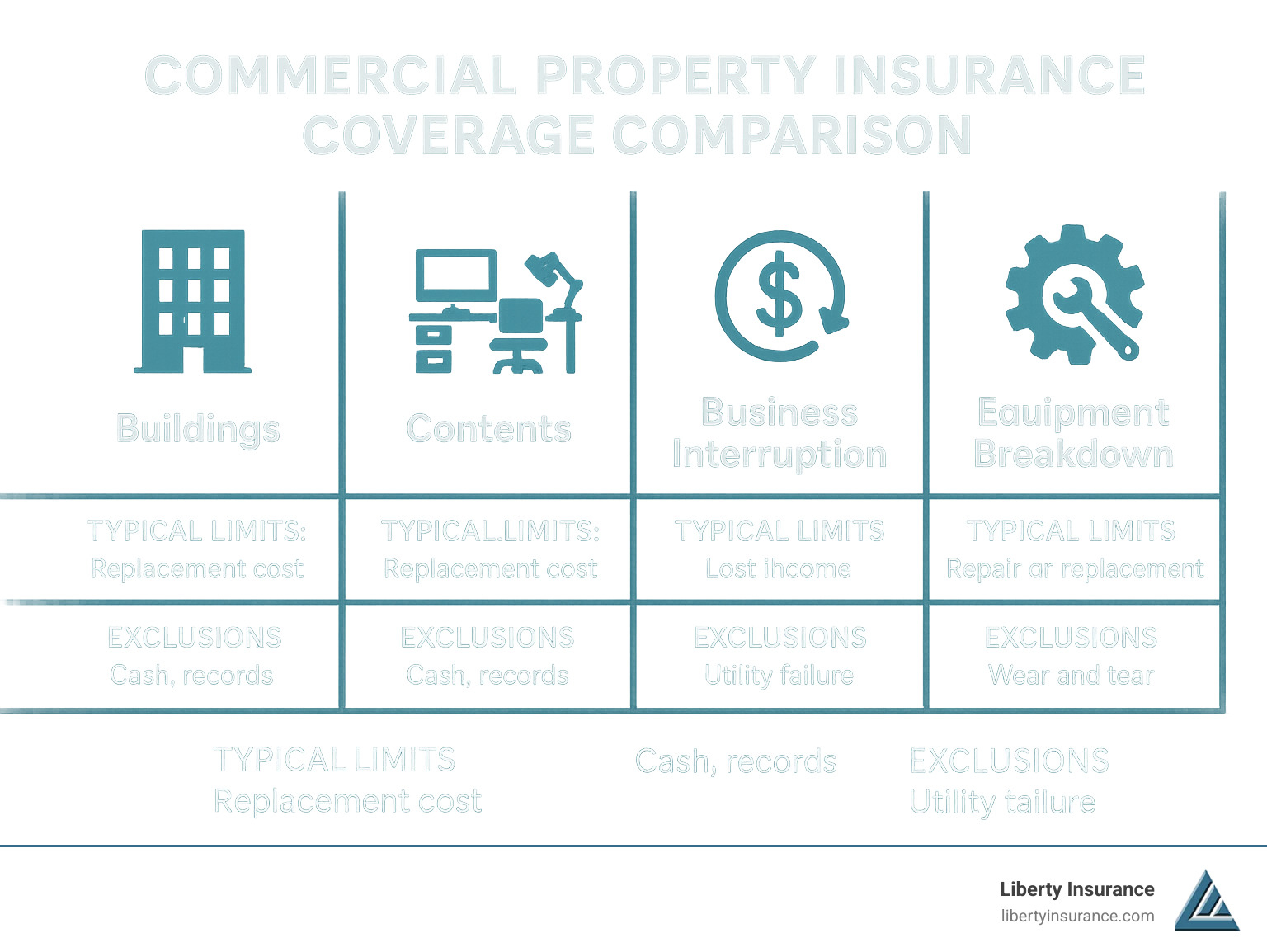
- Property Insurance: Protects your physical assets from theft, fire, and other perils.
- Workers’ Compensation: Required in most states, it covers medical expenses and lost wages for injured employees.
- Professional Liability Insurance: Also known as Errors and Omissions (E&O) insurance, it protects against malpractice, errors, and negligence in services provided.
Potential Risks Small Businesses Face and How Insurance Mitigates Them
Here is the deal: every business faces unique risks. But, insurance helps mitigate these risks effectively.
Your storefront could flood. A key employee might get injured. Or you could face a lawsuit from a disgruntled customer. Without insurance, each of these could lead to financial disaster.
Pro Tip: Always assess your specific business risks and tailor your insurance coverage accordingly.
Insurance not only protects your assets but also ensures your business’s continuity. So, when disaster strikes, you can bounce back quickly and smoothly.
Key Components of a Business Insurance Policy
Did you know that 40% of small businesses will experience a property or liability loss in the next 10 years? That’s why understanding the key components of a business insurance policy is crucial.
A business insurance policy isn’t just a boring stack of paper. It’s your safety net. It protects you when things go sideways. Here is the deal: If you don’t understand what you’re buying, you could end up with coverage gaps that cost a fortune.
Essential Elements Included in a Small Business Insurance Policy
Most policies cover property damage, liability, and business interruption. But that’s not all. You might also find options for workers’ compensation and commercial auto insurance.
Here’s the deal: You need to tailor these elements to your specific business. Just like a bespoke suit, one size does not fit all.
Comparing Coverage Options for Small Businesses
Choosing the right coverage can feel like navigating a maze. You’ve got general liability, professional liability, and product liability. Each covers different risks.
| Type of Coverage | What It Covers |
|---|---|
| General Liability | Third-party bodily injuries and property damage |
| Professional Liability | Negligence and errors in services provided |
| Product Liability | Injuries caused by products you manufacture or sell |
Pro Tip: Don’t skimp on liability coverage. Lawsuits can drain your resources faster than you think.
Factors Influencing the Cost of Business Insurance Premiums
Your premiums aren’t just pulled out of thin air. Multiple factors influence them, including the industry you operate in, the size of your business, and even your location.
But wait, there’s more! The number of employees and your claim history also play a significant role. Think of it as a risk profile your insurer uses to calculate costs.
Pro Tip: Keep your claims low and your safety standards high to score better rates.
Choosing the Right Insurance for Your Business

Did you know that around 40% of small businesses never reopen after a disaster? That’s a staggering number, and the right insurance could be your saving grace. So, how do you choose the right insurance for your business?
Let’s get into the nitty-gritty of selecting the best insurance to safeguard your business. You need to assess your business needs, understand the risks, and pick the right coverage that fits your unique situation.
Steps to Select the Appropriate Insurance Coverage
Step #1: Identify Your Business Needs. Are you a startup or an established company? Do you have employees? Each of these factors influences the type of coverage you’ll need. Don’t underestimate the importance of understanding what makes your business tick. This will be your starting point.
Step #2: Understand Your Risks. Every business faces risks, but not all risks are equal. Analyze potential threats specific to your industry, location, and operations. This insight is crucial for determining the type of coverage that will keep you afloat when challenges arise.
Step #3: Research Insurance Options. Look into various types of coverage like General Liability, Professional Liability, and Property Insurance. Each has its purpose, and knowing the differences can save you a ton of money and headaches down the line.
Pro Tip: A comprehensive risk assessment is invaluable in this process. Don’t skip it.
Assessing Business Needs and Risks
Start by conducting a thorough audit of your business operations. What assets do you need to protect? How about your workforce? Assessing these elements gives you a clear picture of your insurance requirements.
Understanding your industry’s unique risks is also essential. Is your business prone to legal risks or natural disasters? Each risk factor needs a specific insurance strategy. Tackle these assessments regularly as your business grows and evolves.
Evaluating and Comparing Insurance Providers
When evaluating providers, don’t just focus on price. Look at their track record and expertise in your industry. Do they have a good reputation for handling claims efficiently? These factors can make or break your experience when you need them most.
Consider using a comparison table to weigh your options:
| Provider | Price | Coverage | Reputation |
|---|---|---|---|
| Provider A | $$$ | Comprehensive | Excellent |
| Provider B | $$ | Basic | Good |
Ultimately, choose a provider that aligns with your business values and offers the support you need. Remember, the goal is to safeguard your business, not just tick off a box.
Benefits of Commercial Insurance for Small Businesses
Did you know that 40% of small businesses never reopen after a disaster? That’s where commercial insurance comes in. It’s your safety net when things go sideways.
Commercial insurance isn’t just about theft or fire. It’s about protecting your livelihood from a host of unpredictable events. Imagine a customer slipping in your store or a cyber-attack crippling your business. Without insurance, these incidents could be financially devastating.
How Commercial Insurance Shields Your Business
Picture this: a client trips over a power cable at your office and sues you. Who covers the legal fees? That’s right, your commercial insurance. It’s not just about protection; it’s about peace of mind. Knowing you’re covered means you can focus on growing your business instead of worrying about unexpected setbacks.
Also, having insurance can make your business look more credible. Clients and partners view insured businesses as more responsible and stable, which can lead to more business opportunities.
Real-World Scenarios: When Insurance Saves the Day
Let’s say you’re a small café owner, and a freak storm blows off your roof. Without insurance, you’re footing the bill. With the right policy, you’re covered for repairs, lost income, and even ongoing expenses while you rebuild.
Insurance is the unsung hero of small business stability.
Pro Tip: Regularly review your policy to make sure it evolves as your business grows. Insurance isn’t set-it-and-forget-it. Your coverage should match your current business situation.
Common Misconceptions About Business Insurance
Think you don’t need business insurance? You’re not alone. Many small business owners fall prey to common misconceptions that can leave them vulnerable to significant financial risks.
Let’s dive into these myths and set the record straight.
Myth: General Liability Insurance Covers Everything
One of the biggest myths is that general liability insurance covers all possible risks. The truth? It’s not a one-size-fits-all solution. General liability might protect you against bodily injury claims, but what about data breaches or employee theft? These require specific policies like cyber liability or fidelity bonds.
Here’s the deal: You need to assess your unique risks and get tailored coverage.
Myth: Small Businesses Don’t Need Insurance
Many small business owners think they’re too small to need insurance. BUT, did you know that 40% of small businesses will incur a property or liability loss within the next ten years? Even a minor incident can be financially devastating without coverage.
Pro Tip: “Even sole proprietors should have at least basic coverage.”
Real-life example? A local coffee shop owner without property insurance faced closure after a minor fire. Don’t let this be you.
Myth: Personal Auto Insurance Covers Business Use
Using personal auto insurance for business purposes might seem like a good way to save money. However, insurance companies can deny claims if the vehicle was used for work when the policy only covers personal use. This means you could be out thousands of dollars in the event of an accident.
Step #1: Check your policy. Step #2: Get a commercial auto policy if needed.
How to File an Insurance Claim for a Small Business
Did you know only 40% of small businesses successfully file their insurance claims? Shocking, right? Let’s make sure you’re not one of them.
Filing an insurance claim can be overwhelming. BUT, with the right steps, you can streamline the process and ensure you get what’s rightfully yours.
Step-by-Step Guide to Filing an Insurance Claim
First, report the incident to your insurance provider immediately. Delays can jeopardize your claim. Next, document everything: photos, videos, and written statements are crucial. Finally, be ready to negotiate and follow up until your claim is processed.
Documentation Required to Support a Claim
Insurance companies need proof. Gather receipts, contracts, and inventory lists. Each document strengthens your case. Pro Tip: Keep digital backups of all your records to avoid any loss.
Checklist for Preparing for Potential Claims
Preparation is key. Here’s a checklist to keep your claim process smooth:
- Maintain an up-to-date inventory list.
- Save all purchase receipts and contracts.
- Have a clear emergency response plan documented.
- Review and understand your insurance policy coverage.
- Designate a point of contact for insurance matters.
This checklist ensures you’re never caught off guard.
Final Summary
In conclusion, arming your small business with the right commercial insurance is akin to equipping a fortress with unbreachable defenses. It’s about preparing for the storm before it hits, ensuring that your entrepreneurial dreams remain unshaken. So, as you chart your course through the exhilarating world of small business, make sure insurance is your steadfast first mate, ready to mitigate risks and enhance your business’s credibility.
FAQ
What are the three main types of small business insurance?
The three main types are general liability insurance, property insurance, and workers’ compensation insurance.
How can insurance benefit my small business?
Insurance protects your business from financial losses due to accidents, lawsuits, or natural disasters, providing peace of mind and stability.
What factors influence the cost of small business insurance?
The cost is influenced by factors such as the type of business, location, number of employees, and chosen coverage limits.
Are there any common misconceptions about small business insurance?
Yes, many believe it’s unnecessary or too expensive, but it’s a crucial investment for protecting assets and ensuring business continuity.
How do I choose the right insurance provider?
Evaluate providers based on their reputation, coverage options, customer service, and pricing to find the best fit for your business needs.
