Ever wondered how some small businesses seem to weather every storm thrown their way? One of their secret weapons is often insurance. Not just any insurance, but the right kind of coverage that acts like a safety net for their operations. In this guide, we’re diving into the world of small business insurance, breaking down the essentials you need to know to protect your investment and livelihood.
Think of insurance as the unsung hero of the business world. While it’s not as glamorous as launching a new product or landing a big client, having solid insurance coverage can be the difference between thriving and merely surviving. Let’s explore how you can harness insurance to safeguard your small business today, using Backlinko’s signature style of clear, actionable insights.
Understanding Small Business Insurance
Did you know that 40% of small businesses never reopen after facing a disaster? That’s why insurance is a game-changer. It can be the difference between thriving and shutting down permanently.
Insurance is essentially your business’s safety net. From natural disasters to lawsuits, having the right policy can protect you from financial devastation. Let’s explore what you need to know.
Importance of Insurance for Small Businesses
No one likes to think about worst-case scenarios, but the truth is, they happen. Small business insurance isn’t just a nice-to-have; it’s a necessity. It protects your livelihood and assets against unforeseen events. Without it, you could be left footing the bill for damages or legal fees out of pocket, which can be crippling for a small operation. Investing in insurance is investing in peace of mind.
Common Types of Small Business Insurance
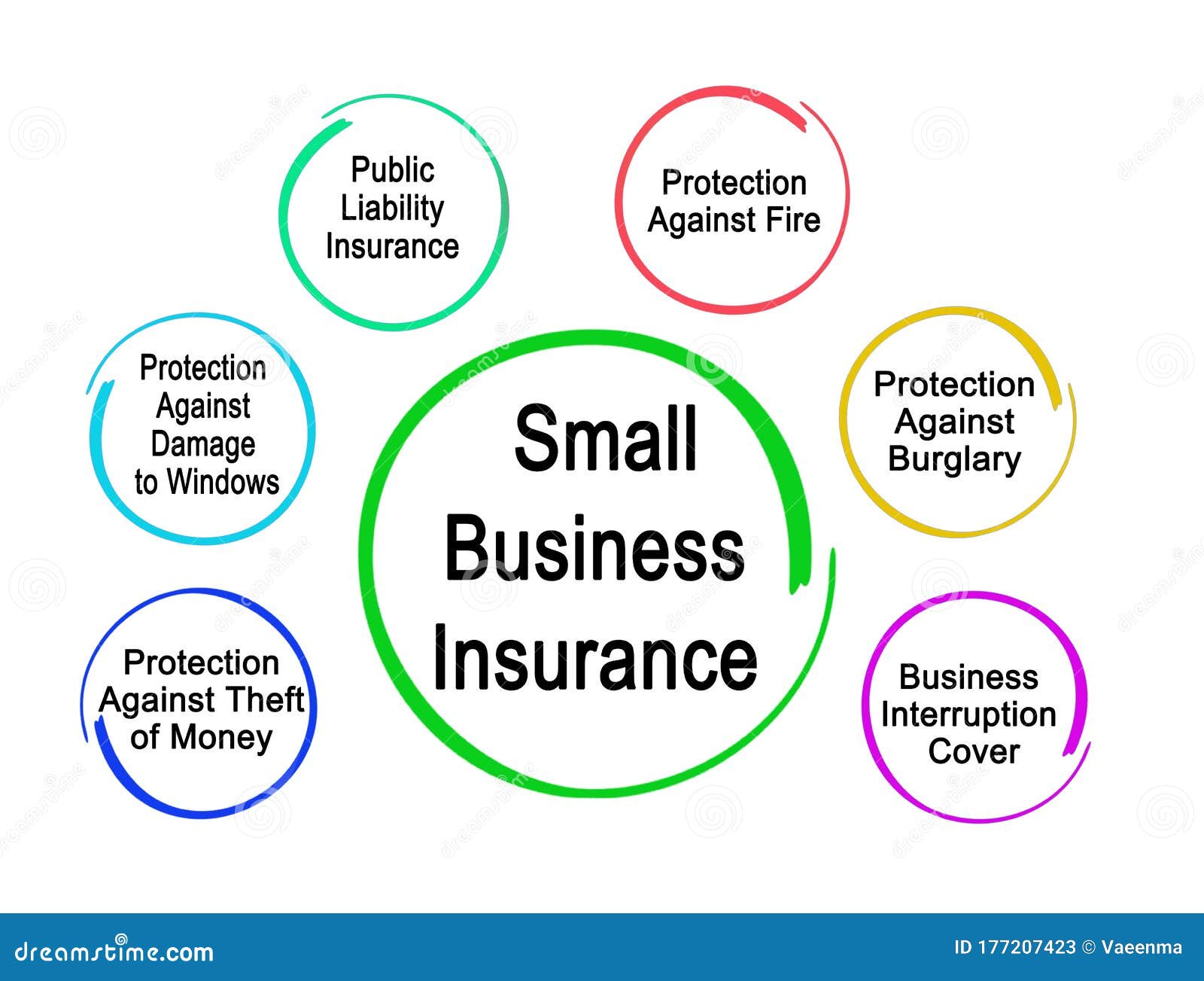
Here’s the deal: not all insurance is created equal. The type you need depends on your industry, location, and specific risks. However, some common types include General Liability Insurance, which covers accidents and injuries; Property Insurance for protection against damage to your premises or equipment; and Workers’ Compensation, which is mandatory in many places. Think of these as the foundation of your insurance strategy.
- General Liability Insurance
- Property Insurance
- Workers’ Compensation Insurance
- Professional Liability Insurance
- Business Interruption Insurance
Factors Influencing Insurance Needs for Small Businesses
Your insurance needs aren’t one-size-fits-all. They vary based on several factors like the size of your business, location, industry, and the specific risks you face. For instance, a tech startup might prioritize data breach coverage, whereas a café could need strong property insurance. Understanding your unique risks is key to choosing the right coverage.
Pro Tip: Regularly review your coverage as your business evolves. Needs can change with growth or new services.
Types of Small Business Insurance
Did you know 40% of small businesses will experience a property or liability loss in the next 10 years? You can’t afford to be one of them. Let’s break down the different types of insurance policies that will safeguard your business.
Here is the deal: Not all insurance policies are created equal. Different policies protect different aspects of your business. Understanding each type helps you make informed decisions that align with your specific needs.
General Liability Insurance vs. Professional Liability Insurance
General Liability Insurance is your first line of defense. It covers common risks like bodily injuries and property damage that occur on your premises. For instance, if a customer slips and falls, this policy steps in.
But what if your business provides a professional service or advice? That’s where Professional Liability Insurance comes into play. This protects against claims of negligence or mistakes in services provided.
| Type | Coverage | Best For |
|---|---|---|
| General Liability | Bodily injury, property damage | Retail stores, restaurants |
| Professional Liability | Errors, negligence in services | Consultants, IT professionals |
Pro Tip: Combine both policies for comprehensive protection! This ensures coverage from unexpected physical incidents and service-related claims.
Property and Business Interruption Insurance
Fire, theft, or natural disasters can cripple your business. Property Insurance protects your physical assets, including everything from the building itself to the equipment inside.
But what happens if your business can’t operate after a disaster? Business Interruption Insurance compensates for lost income during periods of downtime, keeping your finances afloat until you’re back on your feet.
- Property Insurance: Offers coverage for tangible assets.
- Business Interruption: Covers loss of income due to a halt in operations.
Pro Tip: Evaluate your business’s location risks to determine the necessity of these insurances. High-risk areas may require more robust coverage.
How to Choose the Right Insurance for Your Small Business
Are you sure your small business is truly protected? The right insurance can mean the difference between survival and failure in a crisis.
Choosing the right insurance isn’t just about picking a policy off the shelf. It’s about ensuring your business is shielded from potential disasters. But how do you ensure you’re making the right choice?
Assessing Your Business’s Insurance Needs
First things first: understand your risks. Each business is unique, and so are the risks it faces. Step #1: List potential risks specific to your industry and operations. Are you brick-and-mortar or e-commerce? Each has different exposures.
Next, evaluate your assets. Think about what you can’t afford to lose. Physical assets, intellectual property, and your workforce all need coverage. Step #2: Prioritize these based on value and vulnerability.
Pro Tip: Consider consulting with an insurance broker who specializes in your industry. Their insights can uncover hidden risks.
Evaluating Insurance Providers and Policies
Not all insurance providers are created equal. Step #1: Research each provider’s reputation. Read reviews and ask for recommendations from fellow business owners. Look for reliability and a history of fair claim settlements.
Step #2: Compare policy options. This isn’t about finding the cheapest option but the most comprehensive one for your needs. Don’t forget to scrutinize the fine print for exclusions and coverage limits.
| Insurance Provider | Policy Options | Customer Reviews |
|---|---|---|
| Provider A | Comprehensive Coverage | 4.5 Stars |
| Provider B | Basic Coverage | 3 Stars |
Checklist for Selecting the Right Insurance Coverage
Here’s the deal: Use a checklist to ensure you don’t miss critical steps in choosing your coverage.
- Identify and prioritize risks.
- Evaluate the assets you need to protect.
- Research and compare insurance providers.
- Understand policy details and exclusions.
- Consult with an industry-specific insurance expert.
- Review and adjust coverage annually.
Pro Tip: Always keep evolving your insurance strategy as your business grows. New challenges mean new coverage needs.
Costs and Budgeting for Business Insurance
Did you know that 40% of small businesses never reopen after a disaster? That’s why having the right insurance isn’t just smart—it’s essential. But how much should you be spending on business insurance, and how can you manage these costs effectively?
Here is the deal: calculating potential insurance costs isn’t as straightforward as it might seem. You’ll need to consider several factors like your industry, location, and the size of your business. But once you understand these elements, you can create a realistic budget that won’t break the bank.
Calculating Potential Insurance Costs
Start by assessing the risks your business faces. Are you in a high-risk industry like construction, or is your business primarily online? Your risk level directly impacts your insurance costs. Next, get multiple quotes from different insurers to compare rates. You might be surprised at how much they vary!
Don’t forget to factor in the types of coverage you need. General liability, property insurance, and workers’ compensation are common types you might consider. Each has its own cost implications.
Budgeting Strategies for Insurance Expenses
Think of insurance as a fixed cost in your budget. Allocate a specific percentage of your revenue to cover it. But don’t just set it and forget it. Regularly review your insurance expenses to make sure they align with your current business needs.
Pro Tip: Bundle different types of insurance with one carrier to receive a discount.
Consider setting up an emergency fund to cover unexpected insurance costs. This way, you won’t have to scramble for cash if your premiums increase unexpectedly.
Methods for Reducing Insurance Premiums Effectively
Want to pay less for your insurance? Start by increasing your deductible. This lowers your premium, but make sure you can cover the deductible if needed. Also, maintain a safe and secure work environment to reduce claims and demonstrate your business is a low-risk client.
| Method | Potential Savings |
|---|---|
| Increase Deductible | 10-30% |
| Install Security Systems | 5-15% |
| Bundle Policies | 5-10% |
Keep in mind that your insurance policy is a living document. Regularly review and update it as your business grows and changes. This proactive approach ensures you’re neither over-insured nor under-insured, keeping costs in check.
Legal Requirements and Compliance

Did you know that some states require specific types of insurance, while others don’t? If you’re operating a small business, understanding legal insurance requirements isn’t just important—it’s crucial.
Getting compliance wrong could mean fines or even being shut down. However, meeting these requirements keeps your business safe and operational.
State-Specific Legal Insurance Requirements
Every state has its own unique set of insurance requirements for small businesses. While some states mandate workers’ compensation, others may not. And here’s the deal: you need to know what applies to your business.
Here’s a quick breakdown:
| State | Workers’ Comp Required | General Liability Required | Professional Liability Required |
|---|---|---|---|
| California | Yes | No | No |
| Texas | No | Yes | Yes |
| Florida | Yes | No | No |
Pro Tip: Ensure you’re compliant by checking the latest state requirements. They can change, and staying updated protects your business.
Impact of Compliance on Small Business Operations
Compliance isn’t just about avoiding fines—it’s a way to build trust. When customers know you’re following the law, it boosts your credibility.
But here’s the kicker: non-compliance can stall your operations. Imagine having to pause because of a missed insurance form! Staying compliant keeps you in business and growing.
Benefits of Insurance in Risk Management
Did you know that 40% of small businesses never reopen after a disaster? Shocking, right? That’s where insurance swoops in as your safety net.
Insurance is like your business’s superhero cape. It doesn’t prevent disasters, but it sure helps you bounce back. By transferring risk, insurance allows you to focus on growth instead of fretting over the “what ifs.”
The Role of Insurance in Mitigating Risks
Think of insurance as your secret weapon. When things go south, it steps in to cover financial losses, helping you stay afloat. For example, if your business suffers from a break-in, property insurance can cover the damage. This means less stress for you and more time to focus on rebuilding.
Here’s the deal: insurance policies tailor to specific risks you face. From natural disasters to liability claims, there’s a policy designed to mitigate each threat. And you can sleep better knowing your business is safe.
Case Studies: Businesses That Benefited from Insurance
Let’s talk about real-life heroes. Imagine a bakery that caught fire. Thanks to business interruption insurance, they managed to cover lost income and reopen within months. Or take a tech startup that faced a data breach. Cyber insurance saved their reputation and finances, allowing them to continue thriving.
These aren’t just random tales—they are proof that insurance works. It provides a lifeline, ensuring that unforeseen events don’t spell the end for your enterprise.
Statistics on Insurance Impact on Survival Rates
Numbers don’t lie. According to a recent study, businesses with insurance are 50% more likely to survive a major disaster than those without. That’s a massive difference!
Pro Tip: Don’t skimp on insurance. It’s not an expense; it’s an investment in your business’s future.
In fact, having comprehensive coverage can boost your confidence, knowing you’re prepared for anything. When disaster strikes, you’ll be part of the 50% that thrives.
Conclusion
In the turbulent waters of business, insurance is your lifeboat. By understanding your options and strategically selecting the right coverage, you’re setting up your small business for long-term success. So, take these insights, chart your course, and ensure your venture is ready to tackle whatever comes its way. Remember, a well-protected business is a resilient one.
FAQ
What are the most common types of small business insurance?
The most common types include General Liability Insurance, Professional Liability Insurance, Commercial Property Insurance, and Workers’ Compensation Insurance.
How do I determine the insurance needs of my small business?
Assess your business risks, industry requirements, and consult with insurance professionals to tailor coverage to your specific needs.
What is the difference between general liability and professional liability insurance?
General Liability Insurance covers bodily injuries and property damage, while Professional Liability Insurance protects against claims of negligence or mistakes in professional services.
How can I lower my business insurance premiums?
Consider bundling policies, increasing deductibles, and maintaining a good safety record to potentially reduce premiums.
Are there legal requirements for small business insurance?
Yes, requirements vary by state and industry. It’s crucial to understand the specific legal insurance obligations for your business location.
What role does insurance play in risk management?
Insurance helps mitigate financial losses from unexpected events, providing a financial safety net that enhances business stability.
